Disclosure: Some links on this page are affiliate links. Commissions never change our recommendations. Read the full disclosure.
Last updated
Hub overviewStart here
What is a camp kitchen?
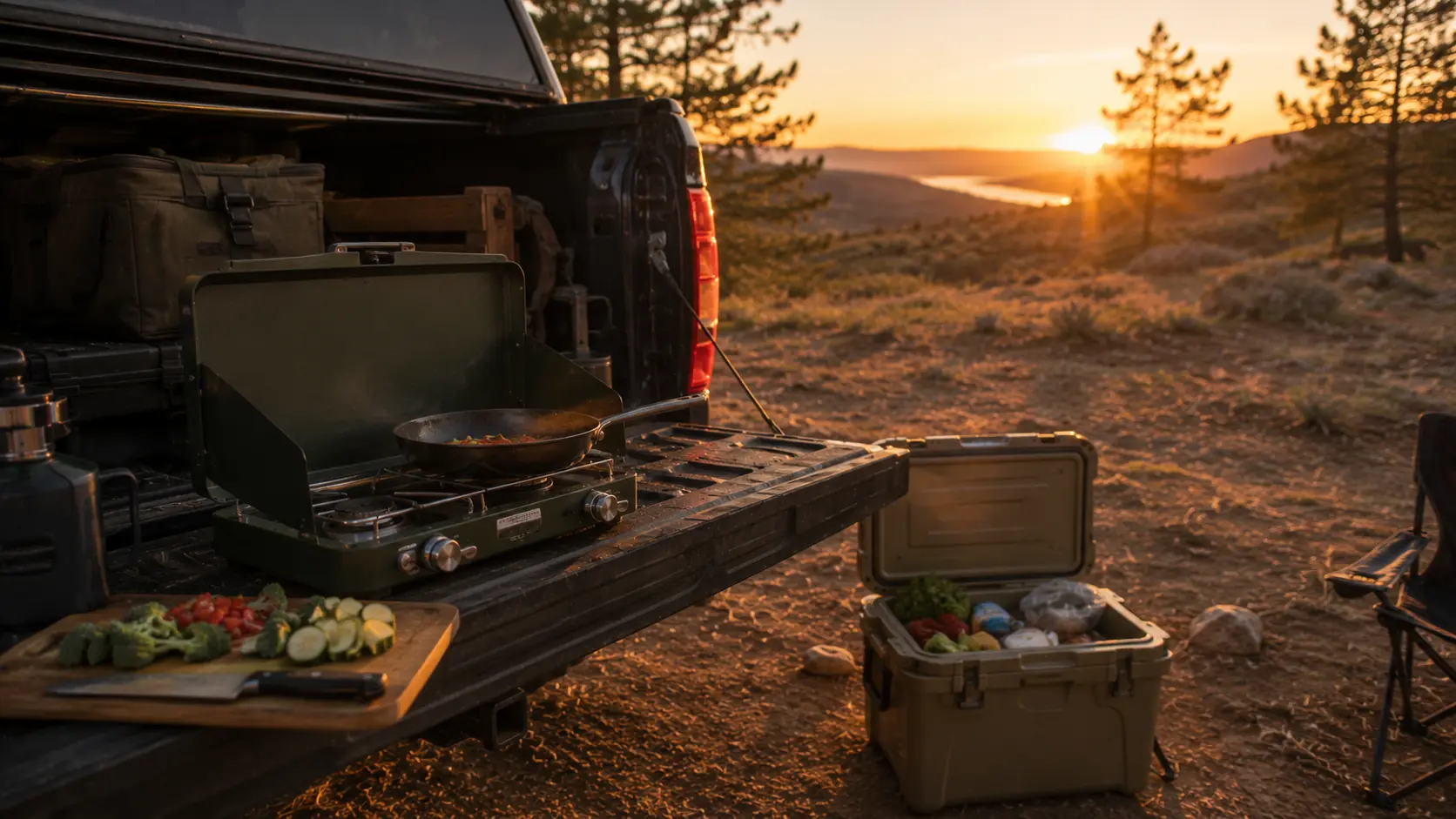
A camp kitchen is the full stack that turns a tailgate, table, or drawer system into a place you can actually cook outside without a 30-minute setup. It is not just the stove. The system includes the stove, fuel, wind protection, pots and pans, water and cleanup, food storage (cooler or fridge), and the layout that connects all of them.
Most bad camp meals are not caused by a bad stove. They are caused by a mismatch: a powerful burner blown sideways by wind, a cooler buried under bedding, food prep on a tailgate that catches every drip, or fuel that you cannot resupply in the next town. The right kitchen depends on four practical constraints: group size, expected wind exposure, fuel availability where you camp, and whether you cook from a tailgate, drawer, table, or ground setup.
We frame the market in this hub as four stove formats: two-burner propane, single-burner gas (canister or liquid fuel), wood (camp / hot tent), and electric induction. Cold storage is its own decision tree, covered in the cooler and 12V fridge spokes.
Two-burner camp stove vs single-burner backpacking stove
| What you get | Two-burner propane | Single-burner canister |
|---|---|---|
| Fuel source | 1 lb propane bottle or 20 lb tank with adapter | Iso-butane canister (4-8 oz) |
| Wind tolerance | Strong - built-in side windscreens | Weak unless paired with a separate screen |
| Group size | Couples and families (2-4) | Solo trips, coffee duty, single-pan meals |
| Pack size | Briefcase-sized, 10-13 lb | Fits in a pot, under 0.5 lb |
| Best for | Real meals at a tailgate or camp table | Backup, ultralight overlaps, fast coffee |
Buyer criteria
Before you buy: the criteria that actually matter
-
Criterion 01
Meal style
Coffee and oatmeal need very different gear than two-pan dinners. Buy for what you cook most often.
-
Criterion 02
Wind and stability
A powerful stove can still be frustrating without wind protection and a stable cooking surface.
-
Criterion 03
Cold storage plan
Choose cooler, backpack cooler, fridge, or a combination based on trip length and power availability.
-
Criterion 04
Cleanup and water
Plan dishwashing, grey water, trash, and food storage. Cleanup friction is what makes people stop cooking outside.
Once the four criteria are clear, the full kitchen becomes a layout instead of a gear pile. Open the camping stove guide
Format taxonomy
Four kitchen formats, three real decisions
Stove choice drives the rest of the kitchen. Pick the format that matches how many people you feed, how much wind you expect, and how willing you are to carry fuel.
-
Two-burner propane
10-13 lbCouples and families who cook real meals at a tailgate or camp table. The default vehicle-camping stove.
Coleman Triton+, Camp Chef Everest 2X, Eureka Ignite Plus
-
Single-burner canister
Under 1 lbSolo trips, coffee duty, backup cooking, and crossover with backpacking trips.
Soto Windmaster, MSR PocketRocket Deluxe, Jetboil Flash
-
Wood / hot-tent stove
Mid-tier vehiclesCold-weather basecamp, hot-tent setups, and campers who want heat and cooking on one device.
Winnerwell Nomad Medium, Pomoly T1, Solo Stove Ranger (cook surface)
-
Electric induction
Needs 1500W+ powerCampers running a 2 kWh+ power station who want flame-free cooking inside a vehicle or under an awning.
Duxtop 1800W, Nuwave PIC, Anova Precision Cooktop
Once you know your format, the full shortlist for each is in: the best camping stove guide
Best in 2026
One pick per stove format
Four representative stoves, one for each of the four formats above. Each pick links to its full review for alternatives, price tiers, and trade-offs.
-
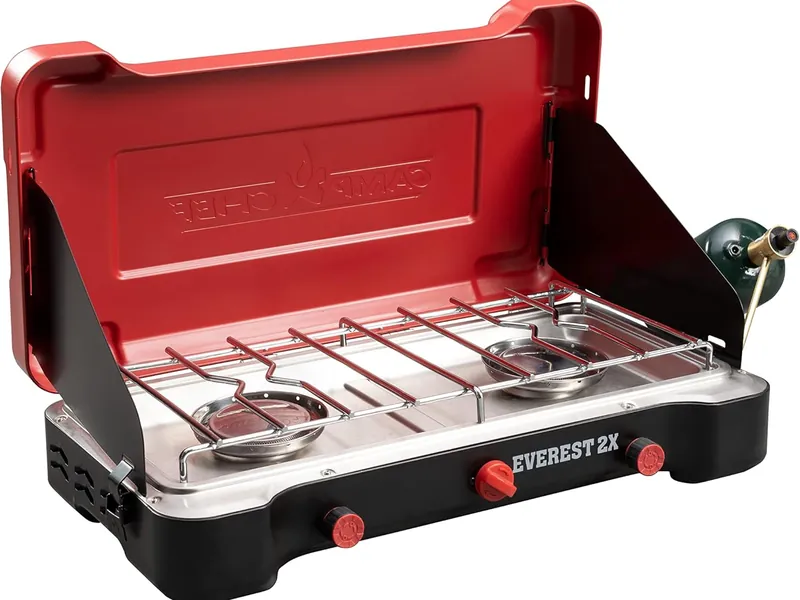
Best two-burner propane
Camp Chef Everest 2X
- Weight About 12 lb
- Sleeps 2-4 cooks
The Everest 2X is the safest first stove for vehicle campers because it combines real BTU output, wind protection that holds in 20 mph gusts, and an auto-igniter that does not require carrying a separate lighter. It is heavier than Coleman classics and worth every ounce.
-
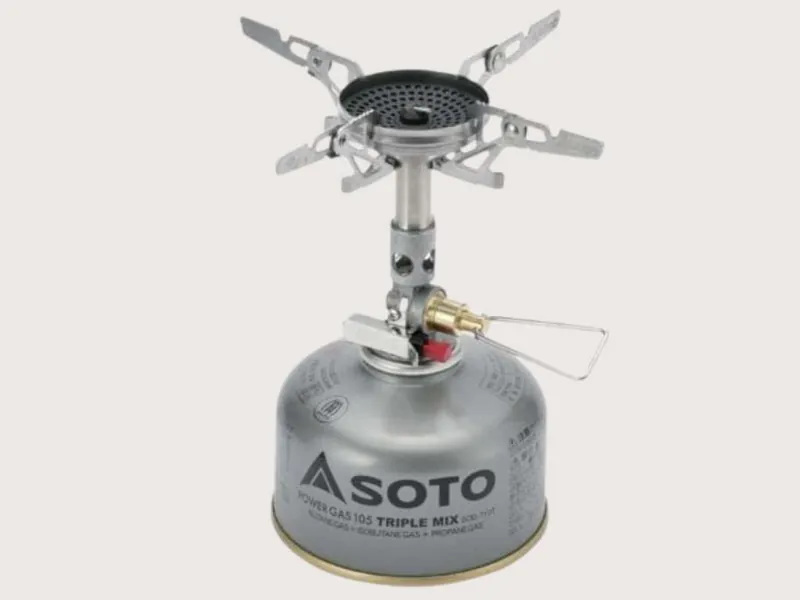
Best single-burner canister
Soto WindMaster
- Weight About 3 oz
- Sleeps 1 cook
The WindMaster keeps a flame in genuine wind better than any canister stove its size, which is the only spec that matters when you are boiling water at 8,000 ft with a breeze. Pair it with the TriFlex pot stand for two-pot stability.
-
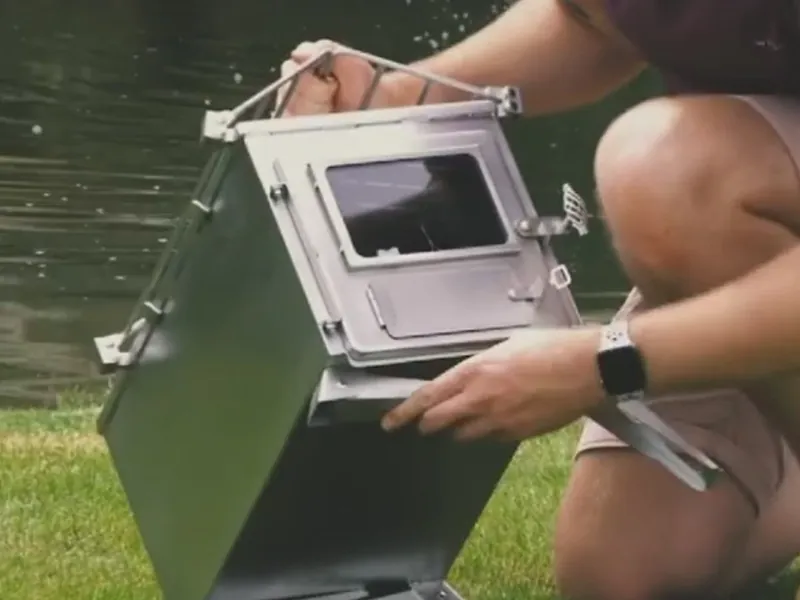
Best wood / hot-tent stove
Winnerwell Nomad Medium
- Weight About 23 lb
- Sleeps 2-3 cooks
The Nomad Medium is the easiest entry to hot-tent and wood-fired camp cooking because the chimney sections pack inside the firebox and the legs fold flat. It needs a hot-tent or open-canopy setup to vent safely - never run a wood stove inside a closed vehicle.
-
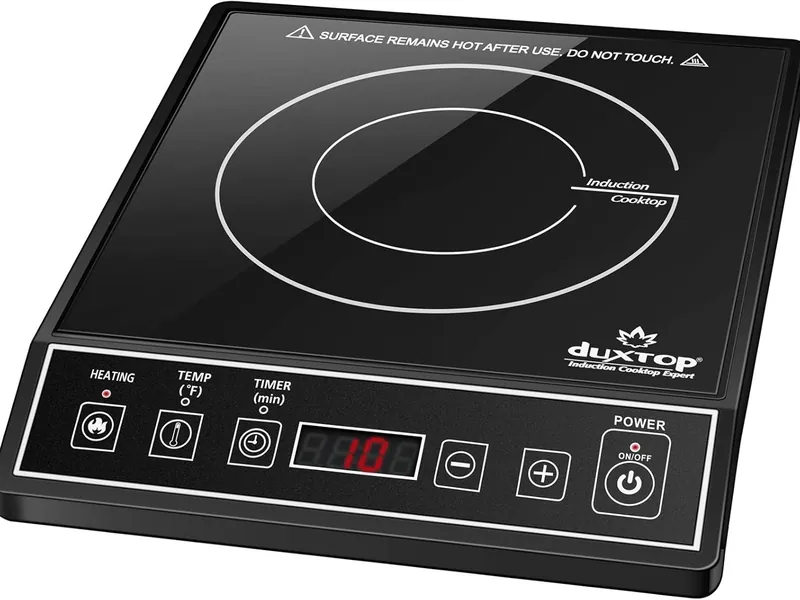
Best portable induction
Duxtop 1800W Portable Induction
- Weight About 6 lb
- Sleeps 1-2 cooks
The Duxtop is the budget gateway into induction cooking from a 2 kWh+ power station. It draws 1800W at full output, so plan your battery accordingly - a 30-minute simmer will drain a 1000Wh station to red. Pairs naturally with the off-grid power hub's mid-tier station picks.
Side-by-side comparison
All four picks compared on the specs that matter
| Specification | Camp Chef Everest 2X | Soto WindMaster | Winnerwell Nomad | Duxtop 1800W |
|---|---|---|---|---|
| Format | Two-burner propane | Single-burner canister | Wood / hot-tent stove | Electric induction |
| Best for | Couples / families at camp | Solo trips and coffee duty | Cold-weather basecamp | Power-station setups |
| Strength (pro) | Wind-proof, two pans at once, push-button ignition | Stays lit in real wind, ultralight | Heat and cook in one device | Flame-free, precise temperature |
| Weakness (con) | Briefcase-sized to pack | Single-pan only, needs canisters | Needs a hot-tent or open shelter to vent | Drains batteries fast at 1800W |
| Fuel | 1 lb propane / tank w/ adapter | Iso-butane canister | Found wood + tinder | Mains or power station |
| Skip if | You only cook one pan at a time | You cook for more than two people | You camp in fire bans | You camp without 1.5 kWh+ of storage |
Camp Chef Everest 2X
- Format
- Two-burner propane
- Best for
- Couples / families at camp
- Strength (pro)
- Wind-proof, two pans at once, push-button ignition
- Weakness (con)
- Briefcase-sized to pack
- Fuel
- 1 lb propane / tank w/ adapter
- Skip if
- You only cook one pan at a time
Soto WindMaster
- Format
- Single-burner canister
- Best for
- Solo trips and coffee duty
- Strength (pro)
- Stays lit in real wind, ultralight
- Weakness (con)
- Single-pan only, needs canisters
- Fuel
- Iso-butane canister
- Skip if
- You cook for more than two people
Winnerwell Nomad
- Format
- Wood / hot-tent stove
- Best for
- Cold-weather basecamp
- Strength (pro)
- Heat and cook in one device
- Weakness (con)
- Needs a hot-tent or open shelter to vent
- Fuel
- Found wood + tinder
- Skip if
- You camp in fire bans
Duxtop 1800W
- Format
- Electric induction
- Best for
- Power-station setups
- Strength (pro)
- Flame-free, precise temperature
- Weakness (con)
- Drains batteries fast at 1800W
- Fuel
- Mains or power station
- Skip if
- You camp without 1.5 kWh+ of storage
Each pick links to its full review for alternatives, price tiers, and trade-offs.
In this category
Open the guide vault
The hub gives you the map. These deeper guides answer the decisions that usually need their own page before you buy, install, or build.
Guide vault
Jump straight into the next decision instead of hunting for related links at the bottom of the page.
-
Best 2-burner camping stoves
Two-burner stoves are most of what people actually buy, but they get treated as an afterthought next to backpacking burners on most roundup pages.
Choose between the Camp Chef Everest 2X, Coleman Cascade 222, and GSI Selkirk 540+ on wind performance, simmer control, pack size, and what the fuel actually costs.
Read the guide -
Best backpack coolers
Backpack coolers are pitched as backup gear when they are actually the right primary cooler for day hikes, beach stops, and short walks from camp.
Pick the right backpack cooler by ice-retention class, pack-frame comfort, food layout, and whether you also need a hardside cooler at camp.
Read the guide
In this category
Coming next on this hub
Each entry below is being researched and field-tested. Bookmark this hub or check back for the published guide.
- Coming soon
Portable camp kitchen setups
Layout guide for tailgate, drawer, table, and bin-based kitchens.
Frequently asked questions
What is the best stove type for vehicle camping?
Is a backpack cooler useful for car camping?
Do I need a full camp kitchen box?
From the editors
Editor's note, May 15, 2026: Updated May 2026. Stove and cooler spokes are sequenced behind multi-trip wind, fuel-burn, and ice-retention testing so the recommendations are grounded, not spec-sheet copy.
While you're outfitting your vehicle
A vehicle camping setup is a system. These hubs cover the categories most readers decide on alongside this one.
- Off-Grid Power
Electric cooking and fridges can reshape the battery and solar plan.
- Heating & Cooling
A 12V fridge is part of the kitchen even when it lives in the heating-cooling hub; ventilation matters for any setup that cooks under an awning.
- Truck-Bed Camping
Pickup kitchens often live in drawers, tailgates, and slide-out storage.
- Vehicle Accessories
Awnings, tables, sliders, and drawer systems make the kitchen faster to use.