Disclosure: Some links on this page are affiliate links. Commissions never change our recommendations. Read the full disclosure.
Last updated
Hub overviewStart here
What is a vehicle camping sleep system?
A vehicle camping sleep system is the full stack that turns a car, SUV, truck bed, rooftop tent, cot, or ground tent into a place you can sleep well. It is not just the mattress. The system includes the support layer, the insulation under you, the bedding over you, airflow, privacy, and the way everything packs in the morning.
That matters because most bad nights are not caused by one terrible product. They are caused by a mismatch: an air mattress with no underside insulation, a warm bag on a cold pad, a thick foam topper that steals SUV headroom, a cot with cold air moving underneath, or a sealed vehicle full of condensation by sunrise.
The right system depends on four practical constraints: where you sleep, expected low temperature, how your body sleeps, and how often you move camp. A basecamp couple can carry a thick double mattress and real bedding. A solo road tripper may need a self-inflating pad that packs in two minutes. A rooftop tent owner may only need a topper and condensation mat rather than a new tent.
Sleep system vs buying a single mattress
| What you get | Full sleep system | Single mattress purchase |
|---|---|---|
| Solves | Support, warmth, airflow, privacy, and reset time | Mostly cushioning |
| Best for | Repeated trips, changing seasons, vehicle-specific layouts | Simple summer trips on flat surfaces |
| Risk controlled | Cold underside, damp bedding, bad fit, poor pack-down | Only pressure points |
| Typical result | A stack that works across conditions | Comfort can still fail when weather changes |
Buyer criteria
Before you buy: the criteria that actually matter
-
Criterion 01
Flatness and body support
Start with the actual surface: folded SUV seats, truck bed platform, rooftop tent mattress, cot, hammock, or ground tent. Side sleepers need more pressure relief than back sleepers.
-
Criterion 02
R-value and underside insulation
Cold usually comes from below first. Pads, cot quilts, toppers, and mattress insulation matter as much as the sleeping bag or blanket on top.
-
Criterion 03
Fit, clearance, and packed size
A mattress that is comfortable at home can be too thick for an SUV, too wide between wheel wells, or too bulky to pack with food, water, and recovery gear.
-
Criterion 04
Condensation and ventilation
Warm breath, cold glass, and sealed vehicles create damp bedding. Window mesh, cracked rain guards, fans, and dry storage belong in the sleep plan.
-
Criterion 05
Setup speed and reset time
A weekend basecamp can tolerate a bulky foam stack. A road trip that moves nightly needs bedding that deploys fast, stores cleanly, and does not require a full repack every morning.
-
Criterion 06
Repairability and failure mode
Air mattresses and lightweight pads can puncture. Foam compresses over time. Cots can break joints. Buy the format whose likely failure you can tolerate on the trip you actually take.
Once the six criteria are clear, the full sleep setup becomes a checklist instead of a gear pile. Build the full sleep setup
Format taxonomy
Choose the sleep format before the brand
Brands matter less than the format. Start with where your body rests, then choose the pad, mattress, cot, bedding, and airflow pieces that make that format work.
-
Inside-vehicle mattress
SUV / van / wagonStealth, weather protection, and fast overnight stops
Luno, Hest, custom foam, self-inflating pads
-
Thick camp pad
3-4 in / R 3+Most three-season vehicle campers who still need packability
Exped MegaMat, Therm-a-Rest MondoKing, REI Camp Dreamer
-
Cot system
Raised bedLarge tents, awning rooms, hot weather, and campers who dislike ground feel
REI Kingdom Cot, Helinox Cot One, Coleman ComfortSmart
If you are choosing between the three common sleep surfaces, start with the format comparison. Compare cots, pads, and air mattresses
Best in 2026
One pick per sleep format
One representative product for each of the three sleep formats above. Use this as a quick orientation, then open the dedicated format guide for the full shortlist, alternatives, and trade-offs.
-
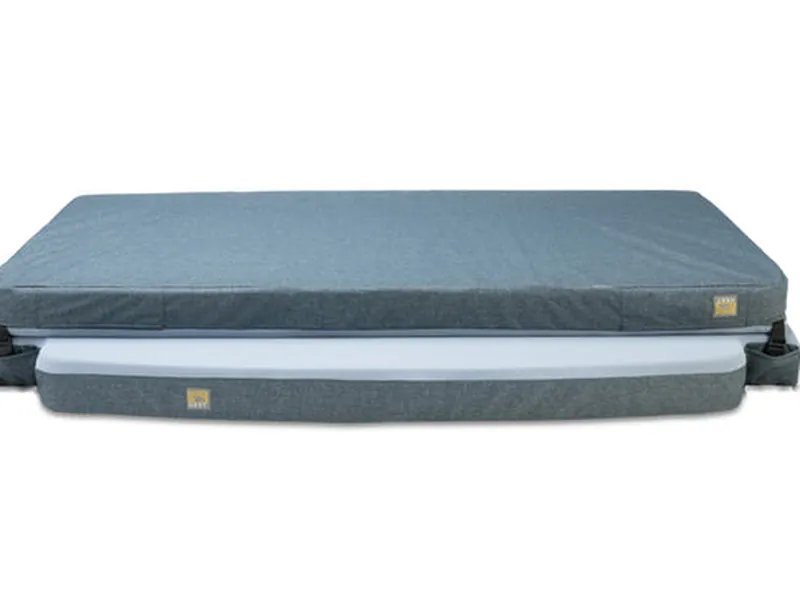
Best inside-vehicle mattress
Hest Sleep System
- Weight About 11.8 kg / 26 lb
- Sleeps 1
Hest is the reference inside-vehicle mattress: dense memory foam, vehicle-shaped, no air to leak overnight. It earns its bulk for campers who can leave the system loaded between trips rather than packing it down nightly.
-
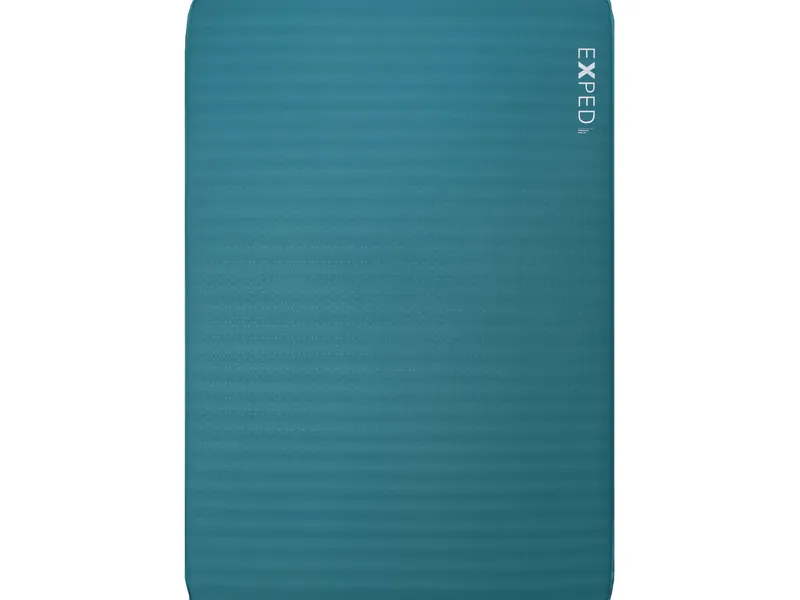
Best thick camp pad
Exped MegaMat Duo 10
- Weight About 5.8 kg / 12.8 lb
- Sleeps 1-2
The MegaMat Duo 10 is the reference thick camp pad: 4 inches of foam, R-8 warmth per Exped's published spec, and air-adjustable firmness. Bulky and heavy packed, but feels closer to a real mattress than any backpacking pad you can compare it to.
-
Best cot-style comfort
REI Co-op Kingdom Cot 3
- Weight About 9.1 kg / 20 lb
- Sleeps 1
A padded cot is hard to beat for summer comfort, older campers, and anyone who hates crawling up from the ground. Pair it with a pad on top once shoulder season starts - the open underside is its single biggest weakness.
Side-by-side comparison
All 3 picks compared on the specs that matter
| Specification | Hest Sleep System | Exped MegaMat Duo 10 | REI Co-op Kingdom Cot 3 |
|---|---|---|---|
| Format | Inside-vehicle foam mattress | Self-inflating double camp pad | Padded folding cot |
| Best for | SUV / truck regulars who keep the bed loaded | Couples or solo campers who want home-level comfort | Hot weather, large tents, anti-ground feel |
| Strength (pro) | Memory-foam pressure relief, no air to leak | Foam + air combo, R-8 warmth, double-wide | Off-ground airflow, raised support, easy access |
| Weakness (con) | Bulky to store, vehicle-shape specific | Heavy and bulky once rolled | Cold underside without a pad on top |
| Pack / store | Stays inflated in the vehicle | Folds to a large duffel-sized roll | Folds to a chair-bag size |
| Skip if | You move camp every night or run a small vehicle | You sleep solo and weight matters | Nights drop into shoulder-season cold |
Hest Sleep System
- Format
- Inside-vehicle foam mattress
- Best for
- SUV / truck regulars who keep the bed loaded
- Strength (pro)
- Memory-foam pressure relief, no air to leak
- Weakness (con)
- Bulky to store, vehicle-shape specific
- Pack / store
- Stays inflated in the vehicle
- Skip if
- You move camp every night or run a small vehicle
Exped MegaMat Duo 10
- Format
- Self-inflating double camp pad
- Best for
- Couples or solo campers who want home-level comfort
- Strength (pro)
- Foam + air combo, R-8 warmth, double-wide
- Weakness (con)
- Heavy and bulky once rolled
- Pack / store
- Folds to a large duffel-sized roll
- Skip if
- You sleep solo and weight matters
REI Co-op Kingdom Cot 3
- Format
- Padded folding cot
- Best for
- Hot weather, large tents, anti-ground feel
- Strength (pro)
- Off-ground airflow, raised support, easy access
- Weakness (con)
- Cold underside without a pad on top
- Pack / store
- Folds to a chair-bag size
- Skip if
- Nights drop into shoulder-season cold
Each pick links to its dedicated format guide for alternatives, price tiers, and trade-offs.
In this category
Open the guide vault
The hub gives you the map. These deeper guides answer the decisions that usually need their own page before you buy, install, or build.
Guide vault
Jump straight into the next decision instead of hunting for related links at the bottom of the page.
-
Best sleeping pads for car camping
Backpacking pad advice overweights grams; vehicle campers care more about shoulder comfort, width, R-value, valve reliability, and packed bulk.
Named pad picks for warm weekends, shoulder season, couples, side sleepers, and backup use, plus the R-value target for your forecast low.
Read the guide -
Car camping sleep setup guide
A comfortable night is usually lost in the gaps between products: uneven floors, cold undersides, blocked airflow, bad pillows, and no privacy plan.
Build a complete stack: layout, surface, insulation, bedding, ventilation, privacy, and morning reset.
Read the guide -
Best car camping cots
Cot roundups mix ultralight backpacking cots with backyard chair-style cots without explaining who each one actually fits, and most ignore that a cot is cold without a pad on top.
Pick the right cot by weight capacity, packed size, leg geometry, and how it pairs with insulation for shoulder-season comfort.
Read the guide -
Cot vs sleeping pad vs air mattress
These three formats solve different problems, and the wrong one can be cold, bulky, unstable, or impossible to fit in your shelter.
Decide which format fits your climate, body type, vehicle layout, and trip rhythm before buying.
Read the guide -
Best camping hammocks
Hammock roundups rank by price and weight, not by who actually sleeps well in each format - which leaves side-sleepers and back-sleepers with the wrong recommendation.
Pick the right hammock by sleeping style, climate, and whether you want a complete system in one box or an upgrade path from a starter setup.
Read the guide
Frequently asked questions
What is the most comfortable way to sleep while vehicle camping?
Are camping hammocks good for car camping?
Do I need a sleeping pad inside a vehicle?
What R-value sleeping pad do I need for vehicle camping?
Why is my sleeping bag colder than its rating?
Can I use a sleeping pad inside a hammock?
What is the difference between comfort and limit ratings on a sleeping bag?
Will a thicker mattress always be more comfortable?
Is a camping cot warm enough on cold nights?
How do I prevent condensation in a vehicle camping sleep setup?
How long does a sleeping pad last?
From the editors
Editor's note, May 15, 2026: Updated May 2026. This hub is a synthesis guide based on manufacturer specifications, independent pad and mattress reviews, public safety guidance, and recurring owner reports. We do not claim first-hand testing unless a page says so.
While you're outfitting your vehicle
A vehicle camping setup is a system. These hubs cover the categories most readers decide on alongside this one.
- Rooftop Tents
A rooftop tent is only comfortable if the mattress, bedding, and condensation control work.
- Truck-Bed Camping
Truck-bed builds need mattresses and platforms that balance comfort with storage.
- Heating & Cooling
Better bedding and airflow can reduce heater dependence and prevent damp nights.
- Camp Kitchen
Late dinners in the cargo zone create the breath-moisture that ruins bedding by morning - the kitchen layout decision affects sleep.
- Vehicle Accessories
Awnings, chairs, and lighting decide whether the wind-down before sleep happens at camp or in the vehicle.