Disclosure: Some links on this page are affiliate links. Commissions never change our recommendations. Read the full disclosure.
Last updated
Hub overviewStart here
What is truck-bed camping?
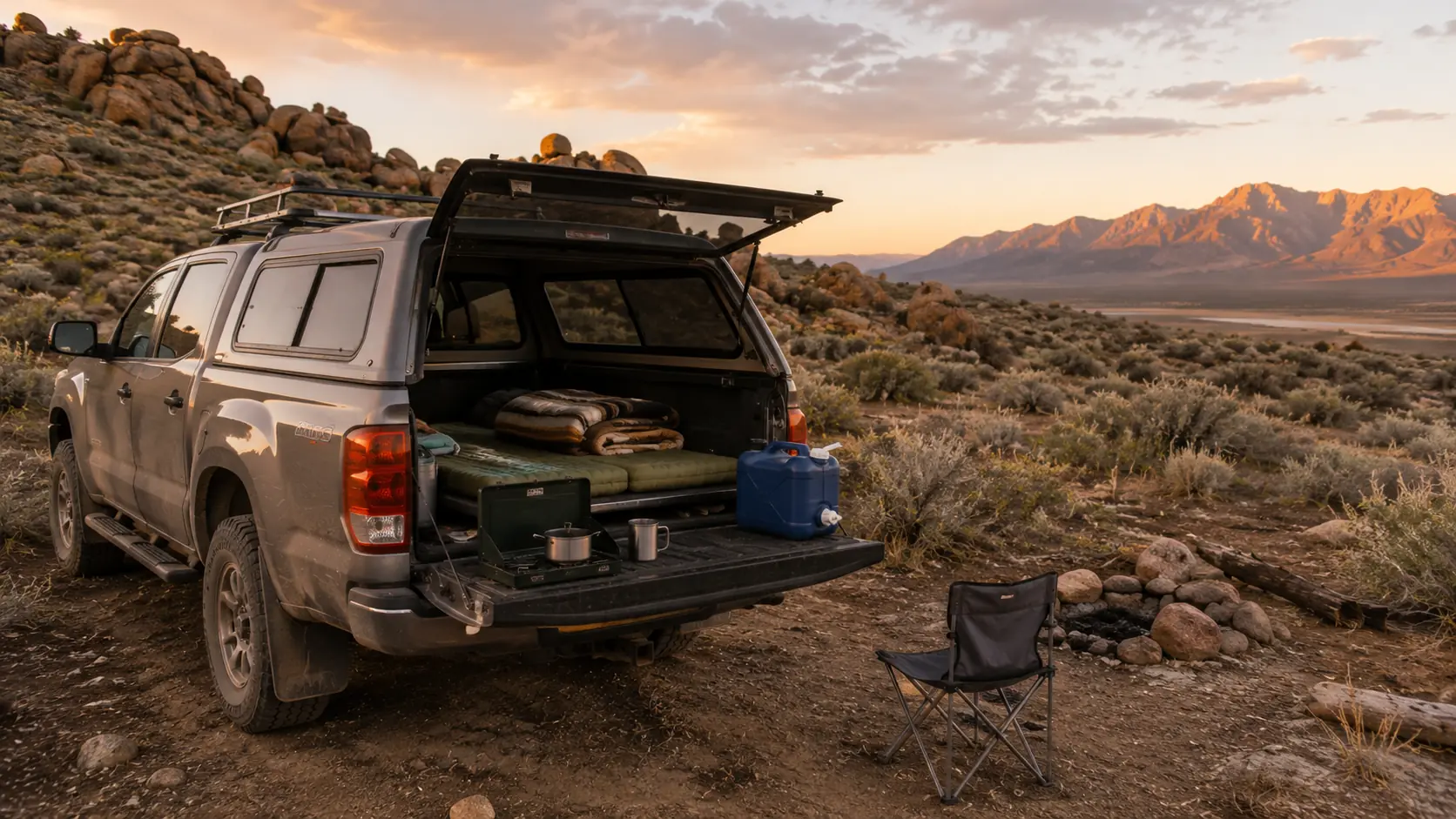
Truck-bed camping is using the cargo bed of a pickup as the foundation of a camping setup. Because the bed is flat, dedicated, and weather-isolated before you spend a dollar, it is the most flexible vehicle-camping platform you can own. The real decision is how much structure to add on top.
The cheapest credible setup is a used topper plus a 4 inch foam mattress plus a folding storage platform - call it $1,000 to $4,000 total. The most expensive is a four-season hard-side slide-in like a Lance or Northern Lite at $25,000 to $80,000 wet. Between them sit pop-up shells (Go Fast Campers, Super Pacific, Vagabond) and pop-up slide-ins (Four Wheel Campers Fleet and Hawk). Each format has a different payload footprint, daily-driver penalty, and best trip pattern.
Truck-bed camping has one failure mode that other formats do not: payload overload. Add passengers, fuel, water, gear, and the camper, and the math has to come in under the yellow sticker on the driver-side door jamb. That sticker - not the brochure number - is what your insurance and law enforcement will reference. Get the payload math right first; the rest is shopping.
Topper plus platform vs slide-in camper
| What you get | Topper + platform | Slide-in camper |
|---|---|---|
| Wet weight | 100-350 lb | 800-3,500 lb |
| Total cost | $1,000-$4,000 | $25,000-$80,000 |
| Standing room | No | Yes (top up or hard-side) |
| Daily driver impact | Minimal - bed mostly usable | Significant - permanent or near-permanent |
| Best for | Weekenders, dual-use trucks, lowest budget | Multi-week trips, couples, four-season basecamp |
Buyer criteria
Before you buy: the criteria that actually matter
-
Criterion 01
Payload first
Calculate passengers, fuel, water, gear, and camper weight before shopping. Payload overload is common and expensive.
-
Criterion 02
Weather protection
A topper with leaky windows can ruin sleep. Check seals, condensation control, and ventilation before judging comfort.
-
Criterion 03
Bed access and storage
A comfortable mattress is useless if it blocks all storage. Plan bins, drawers, or a platform before cutting lumber.
-
Criterion 04
Removal and daily usability
If the truck has to work Monday through Friday, choose a setup you can remove, fold, or live with year-round.
Payload math comes first. Once you know your truck's yellow-sticker number, the right format becomes obvious. Open the truck camper shell guide
Format taxonomy
Four truck-bed formats, four different commitments
Start with payload math, then pick the format that matches how often you camp and how much the truck has to keep working Monday through Friday.
-
Topper + sleeping platform
100-350 lbWeekend overnighters, lowest budget, dual-use trucks where the bed has to stay functional for work cargo most weeks.
ARE, Leer, SnugTop, RSI, Painted Desert shells
-
Pop-up shell
250-600 lbActive overlanders who want a queen-bed sleep area on top while keeping the bed accessible from the tailgate.
GFC V2 Pro Camper, Super Pacific X1, Vagabond Drifter, AT Overland Habitat
-
Slide-in pop-up
800-1,400 lbMulti-week trips, couples, all-weather use on mid-size trucks. The most popular format for serious overlanders.
Four Wheel Campers Hawk and Fleet, Phoenix Custom Campers, Bundutec
-
Slide-in hard-side
1,400-3,500 lbLong-stay basecamp, snowbirds, full-time travel where insulation and indoor amenities outweigh the daily-driver penalty.
Lance 650/865/975, Arctic Fox 990, Northern Lite 8-11Q, Bigfoot 2500
The full payload-and-format walkthrough is in: the truck camper shell guide
Best in 2026
One pick per truck-bed format
Four representative builds, one for each format above. Each pick links to its full review for the alternatives, the payload math, and the install considerations.
-
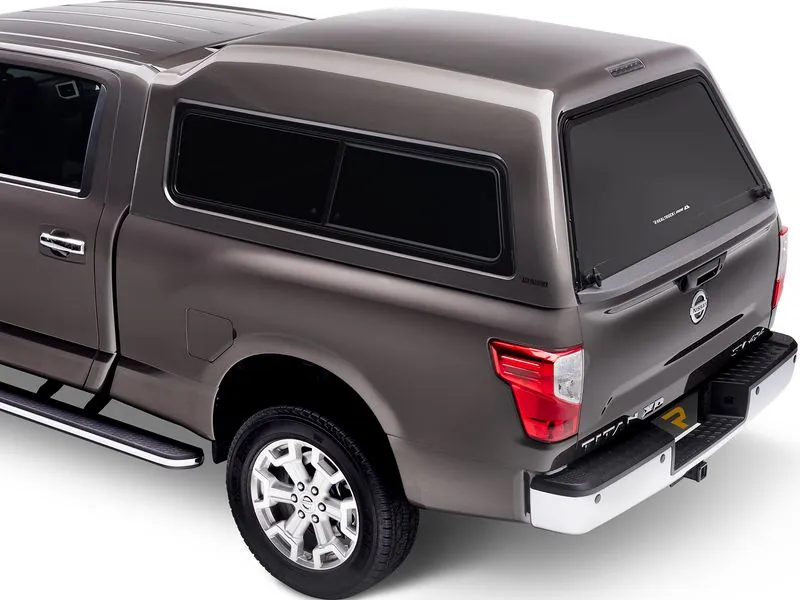
Best topper for camping
A.R.E. MX Series Topper
- Weight About 150 lb
- Sleeps Sleep platform underneath
The A.R.E. MX Series is the reference camping topper because of full T-slot tracks for rack accessories, sliding side windows with screens, and a rear glass with rotary latch. Paired with a 4 inch foam mattress and a $200 plywood platform, it is the cheapest credible truck-bed camping setup that does not feel like a compromise.
-
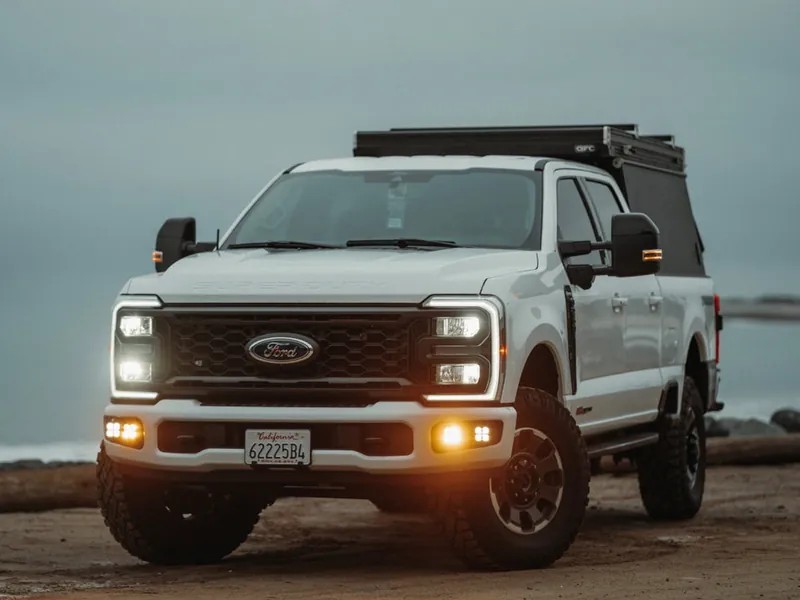
Best pop-up shell camper
Go Fast Campers V2 Pro Camper
- Weight About 275 lb
- Sleeps 2 adults + small kid or dog
The GFC V2 Pro Camper is the easiest entry to an overlanding pop-up shell because it leaves the bed open at the tailgate, sleeps two adults in the queen platform on top, and weighs a fraction of any slide-in. It is semi-permanent - GFC builds each unit to a specific truck make and model and the install is partner-shop or HQ.
-
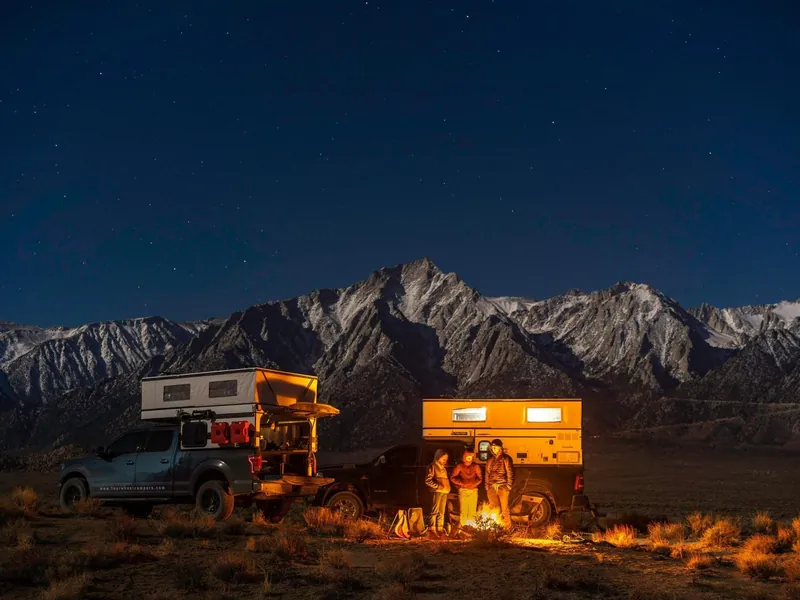
Best pop-up slide-in
Four Wheel Campers Hawk
- Weight About 1,000-1,300 lb
- Sleeps 2-3 adults
The Four Wheel Campers Hawk is the default pop-up slide-in for mid-size trucks like the Tacoma, Colorado, and Ranger because the wet weight stays inside their payload, the cabover bunk preserves bed length for storage, and the pop-up reduces wind drag. The Fleet is the shorter sibling for 5 ft beds.
-
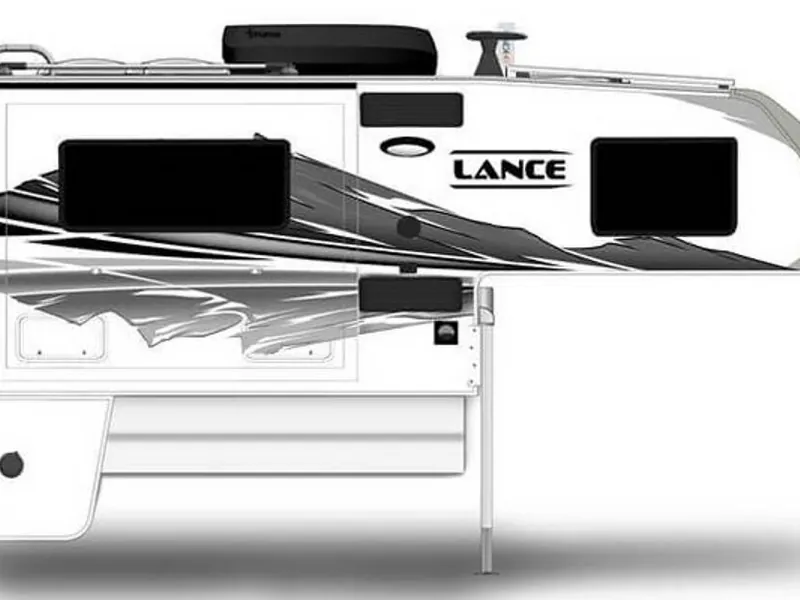
Best hard-side slide-in
Lance 865
- Weight About 2,500-3,000 lb
- Sleeps 3-4 adults
The Lance 865 is one of the most-recommended three-quarter-ton hard-side slide-ins in r/TruckCampers and Truck Camper Magazine match guides because of the balanced floorplan, dry-bath option, and Lance's roof-seam track record. It is not a half-ton truck camper - the payload math only works on F-250/2500-class trucks.
Side-by-side comparison
All four picks compared on the specs that matter
| Specification | A.R.E. MX Series | GFC V2 Pro Camper | FWC Hawk | Lance 865 |
|---|---|---|---|---|
| Format | Painted fiberglass topper | Aluminum pop-up shell | Aluminum pop-up slide-in | Hard-side slide-in |
| Best for | Weekend dual-use truck | Active overlanders, sleep-on-top | Multi-week mid-size truck trips | Long-stay basecamp on 3/4-ton truck |
| Strength (pro) | Cheap, removable, rack-ready | Queen bed on top, bed open below | All-weather, removable with jacks | Indoor amenities, dry-bath option |
| Weakness (con) | No standing room, no insulation | Semi-permanent, sleeping not in bed | Needs jacks and storage spot when off truck | Requires 3/4-ton truck, significant daily-driver penalty |
| Truck class | Mid-size to full-size | Mid-size to full-size | Mid-size to full-size | Three-quarter-ton minimum |
| Skip if | You need standing room | You need full indoor space for cold weather | You camp in cold weather without supplemental heat | You also need the truck to drive daily |
A.R.E. MX Series
- Format
- Painted fiberglass topper
- Best for
- Weekend dual-use truck
- Strength (pro)
- Cheap, removable, rack-ready
- Weakness (con)
- No standing room, no insulation
- Truck class
- Mid-size to full-size
- Skip if
- You need standing room
GFC V2 Pro Camper
- Format
- Aluminum pop-up shell
- Best for
- Active overlanders, sleep-on-top
- Strength (pro)
- Queen bed on top, bed open below
- Weakness (con)
- Semi-permanent, sleeping not in bed
- Truck class
- Mid-size to full-size
- Skip if
- You need full indoor space for cold weather
FWC Hawk
- Format
- Aluminum pop-up slide-in
- Best for
- Multi-week mid-size truck trips
- Strength (pro)
- All-weather, removable with jacks
- Weakness (con)
- Needs jacks and storage spot when off truck
- Truck class
- Mid-size to full-size
- Skip if
- You camp in cold weather without supplemental heat
Lance 865
- Format
- Hard-side slide-in
- Best for
- Long-stay basecamp on 3/4-ton truck
- Strength (pro)
- Indoor amenities, dry-bath option
- Weakness (con)
- Requires 3/4-ton truck, significant daily-driver penalty
- Truck class
- Three-quarter-ton minimum
- Skip if
- You also need the truck to drive daily
Wet weights vary by configuration. Always match to your specific truck's yellow-sticker payload before buying.
In this category
Open the guide vault
The hub gives you the map. These deeper guides answer the decisions that usually need their own page before you buy, install, or build.
Guide vault
Jump straight into the next decision instead of hunting for related links at the bottom of the page.
-
Best truck bed campers
Most camper roundups blur pop-up shells, slide-in pop-ups, and hard-side slide-ins, which are three completely different commitments.
Pick the right format by payload, daily-driver compatibility, climate, and trip length - before brand-shopping.
Read the guide -
Truck-bed mattresses for camping
Off-the-shelf truck-bed mattresses ignore wheel-well width, which is why so many owners end up sleeping diagonally or buying twice.
Choose between wedge, custom foam, and platform-with-foam by your specific truck's bed dimensions and how you use the bed Monday through Friday.
Read the guide
In this category
Coming next on this hub
Each entry below is being researched and field-tested. Bookmark this hub or check back for the published guide.
- Coming soon
Truck toppers and camper shells for camping
Guide to toppers, shells, windows, roof loads, and ventilation.
Frequently asked questions
What is the easiest truck-bed camping setup?
Do I need a slide-in camper to camp comfortably in a truck?
What should I check before buying a truck camper?
How do I find the real payload of my truck?
Can a Tacoma carry a slide-in camper?
What is SAE J2807 and why does it matter?
Topper plus mattress vs slide-in camper, which is better?
Will a truck-bed mattress fit over my wheel wells?
Do I need air conditioning in a truck-bed setup?
How much does a basic truck-bed camping setup cost?
Do truck campers void my factory warranty?
From the editors
Editor's note, May 15, 2026: Updated May 2026 to lock the truck-bed branch scope: campers, mattresses, and toppers. Spoke testing is underway; payload calculations and real-world install notes will publish with each spoke.
While you're outfitting your vehicle
A vehicle camping setup is a system. These hubs cover the categories most readers decide on alongside this one.
- Sleep Comfort
Truck beds need the right mattress, insulation, and bedding to feel better than a storage box.
- Heating & Cooling
Closed shells and campers need safe heat, ventilation, and fridge planning.
- Camp Kitchen
Pickup setups often use tailgate kitchens, drawer kitchens, and portable stoves.
- Vehicle Accessories
Drawer systems, fridge sliders, and awnings turn a topper into a usable basecamp instead of a metal box on top of cargo.
- Off-Grid Power
Slide-in campers and pop-up shells often start adding 12V fridges, fans, and house batteries the second trip out.